Mary Stacks Fields of Athenry – Showcasing Their Produce
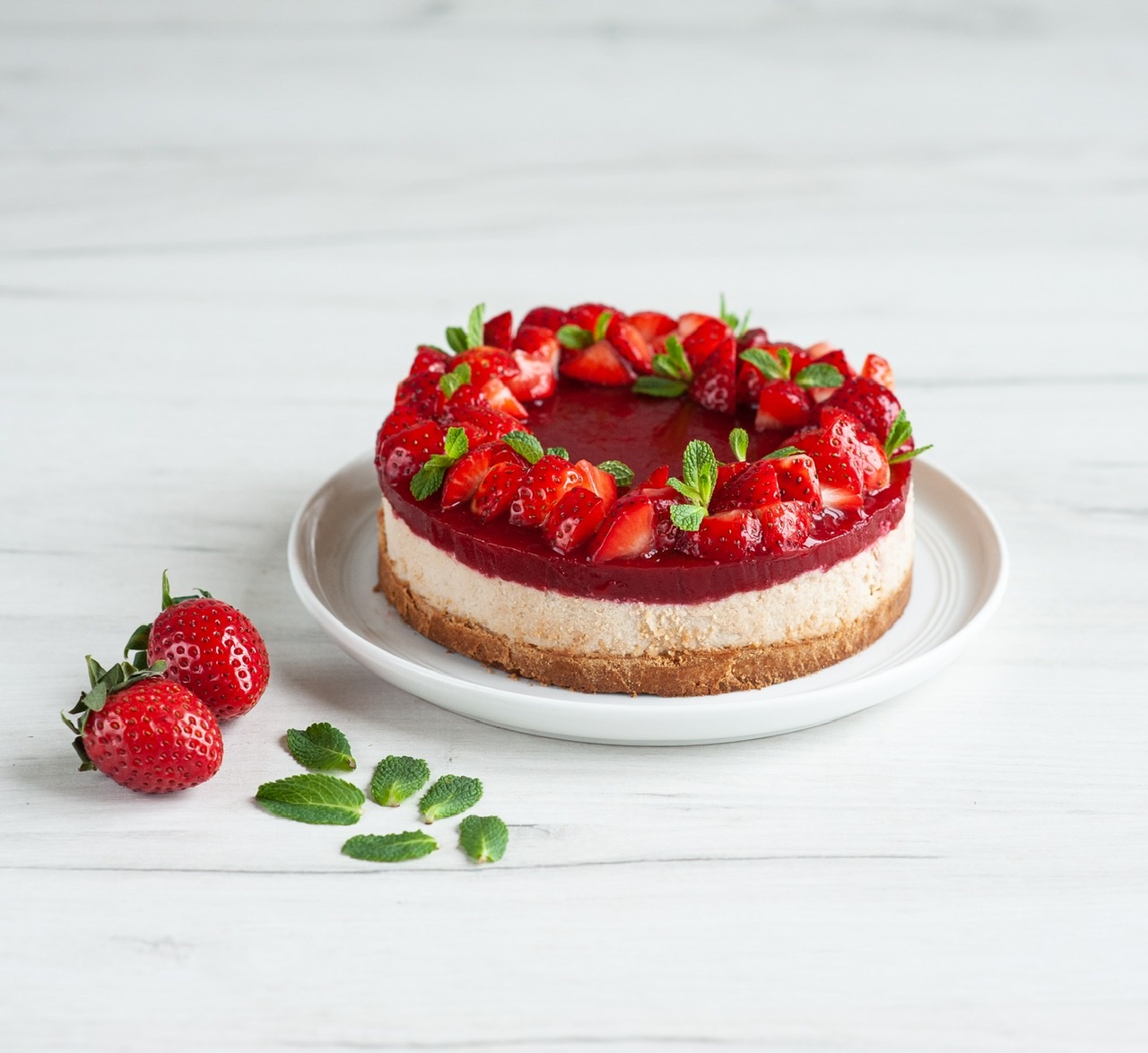
Brigid Kinsella – Home Baking
Lough Derg Signature Sandwich
Arts and Crafts
Kerry Kissane & Vanessa Patterson
Laura – Arts and Crafts
Lillie – Knitting
Patricia Lynch – Knitted Baby Cardigans
LS Loft – Cards
Palm-Free Soap
Sceal Lorrha
Brigid Kinsella – Arts and Crafts
Clothing and Vintage
Avia – Vintage Clothing –
Mary Stacks – T-Shirts & Printing
Anna – Clothes
Books and Family Fun
Workhouse – Books
Lancaster Lego – Lego Display
Patrick’s Street Comes Alive!
Portumna Food Fayre started as a simple idea — get the town’s producers, makers and neighbours together on one street for one day. What it’s grown into is something bigger: a chance to taste, browse and chat with the people behind South Galway’s food and craft scene. Rain or shine, the stalls go up, Patrick’s Street comes alive, and Portumna does what it does best — shows up for its own.
“There’s nowhere quite like Patrick’s Street on Fayre day — the whole town turns out, and you can taste it in every stall.”
About the Fayre
Patrick’s Street closes to traffic for the day as local food producers, artisan makers and growers set up stall for Portumna’s Food Fayre. Expect fresh seasonal produce, homemade goods, and a chance to meet the people growing and making food right here in South Galway — plus live music / cookery demos / kids’ activities.
What It’s All About
Local Producers
Meet the farmers and growers bringing fresh, seasonal produce straight from South Galway to your table.
Handmade Artisanal Goods
Fresh, homemade and homegrown — jam, bread, honey, pickles and produce from South Galway’s own kitchens and farms.
Original Arts and Crafts
Original art, knitwear, cards and crafts, handmade by the people who make them.
Vintage Finds
Vintage finds, clothing, gifts and a Lego display for the kids — a stall for every taste.
Keep it Local
Every stall on the day is an independent local business. Shopping here keeps it in the community.
Start-ups aren’t born only in cities. Across Ireland, small towns and rural villages are proving that creativity, resilience, and ambition can thrive far from the traditional centres of enterprise.
From agri-tech breakthroughs to artisan cheesemakers, rural innovators are making waves locally and globally.
This post kicks off a new recurring series spotlighting entrepreneurs whose ventures are rooted in community but brimming with ambition.
MartEye (Galway): Reimagining the Livestock Mart
When the COVID-19 pandemic forced marts to close their doors, Galway start-up MartEye stepped up with a digital solution that kept farmers connected to their livelihood. Built from Portershed, the city’s collaborative innovation hub, MartEye turned the age-old auction into a modern, online marketplace.
Today, more than 120 marts across Ireland and the UK use the platform, handling over €4.5 billion in trade since 2020. What began as a crisis response became one of the great agri-tech success stories of rural Ireland—proving that local solutions can scale fast when they meet a real need.
Manna Drone Delivery (Oranmore, Co. Galway): Innovation Takes Flight
In the small town of Oranmore, residents look to the skies not for weather signs but for their dinner. Manna, a start-up specialising in drone delivery, chose Oranmore as one of its pilot sites to test the future of logistics.
What started as an experiment in convenience quickly gained global attention. Manna’s service proved drones could safely and efficiently deliver food within minutes—earning the company $25 million in funding and positioning rural Galway at the cutting edge of technology.
The lesson? Small towns aren’t just places where innovation happens—they can be the testbeds that shape how the world works tomorrow.
Killeen Farmhouse Cheese (Portumna): Global Recognition from Local Roots
A short drive from Portumna town, Killeen Farmhouse Cheese shows how rural craftsmanship can reach the world stage. Founded in 2004 by Marion Roeleveld, Killeen produces award-winning goat and cow gouda from locally sourced milk.
From the kitchen table to global acclaim, Killeen has taken home top honours including Supreme Champion at the Irish Cheese Awards and medals at the World Cheese Awards. Their story is one of passion, perseverance, and the power of place—demonstrating that international success can emerge from the fields of East Galway.
Lessons from Local Entrepreneurs
What unites these very different stories—digital platforms, drones, and artisan food—is the way they blend local insight with global ambition.
Solve local problems first. MartEye started by meeting farmers’ immediate needs.
Use small towns as proving grounds. Manna showed that rural Ireland can be a global testing lab.
Stay rooted in authenticity. Killeen proves there’s global demand for products that carry the flavour and story of place.
“Innovation doesn’t always look like skyscrapers or city accelerators. Sometimes it looks like a mart yard with Wi-Fi, a drone buzzing over Oranmore, or a cheesemaker in Portumna perfecting her craft.”
What’s Next in the Series
This is just the start. In future posts, Start-up Stories from Small Towns will spotlight more entrepreneurs—those leading in sustainability, creative industries, healthcare, and digital enterprise. Each story is proof that innovation isn’t confined to cities: it belongs everywhere.
Start-ups aren’t just born in big cities or tech parks. Across Ireland’s small towns and villages, entrepreneurs are building businesses that are innovative, resilient, and deeply rooted in community. These ventures often emerge from local needs, creative sparks, and the determination to make rural life not just sustainable, but thriving.
Why Small Towns Breed Big Ideas
Smaller communities bring unique advantages for start-ups:
Strong local networks where trust and word-of-mouth support can accelerate growth.
Lower costs of living and working, making it easier to test ideas without huge overheads.
Rich cultural and natural resources, which can inspire products and services tied to place.
Supportive ecosystems like LEADER, Local Enterprise Offices, and the Rural Regeneration and Development Fund.
When entrepreneurs tap into these strengths, their businesses carry a story that resonates well beyond their town borders.
Stories from the West
The Courthouse Hub, Portumna — not just a co-working space, but a launchpad for digital entrepreneurs who want to live locally and work globally. Already, freelancers and start-ups are moving projects forward from its hot desks and meeting rooms.
Food & Craft Start-ups — from farmhouse cheesemakers in East Galway to design studios in Clifden, rural entrepreneurs are proving you don’t need to leave your town to reach international markets. Platforms like Shopify and Etsy make global customers just a click away.
Green Energy Innovators — community-led renewable projects, often started by small groups of determined locals, are positioning rural Ireland at the forefront of climate-smart enterprise.
The Challenges
Of course, starting up in a small town isn’t without hurdles:
Access to funding can be patchy.
Broadband infrastructure, while improving, still lags in some areas.
Recruitment can be difficult, especially for specialised roles.
Yet these challenges often become part of the story. Entrepreneurs learn to innovate around constraints, making their ventures more adaptable and resilient.
Support Systems That Matter
Aspiring entrepreneurs in small towns don’t have to go it alone:
ConnectedHubs.ielinks over 300 co-working and innovation spaces across the country.
Enterprise Ireland offers scaling supports for high-potential start-ups.
Community groups and cooperatives often provide shared facilities and collaboration opportunities.
Inspiration for What’s Next
When we highlight the achievements of entrepreneurs in small towns, we create a ripple effect. Local stories can inspire others to take the leap, turning hidden ideas into visible ventures.
Innovation doesn’t always look like skyscrapers and venture capital. Sometimes it looks like a converted barn, a refurbished courthouse, or a kitchen table in a Galway village.
Conclusion
The future of enterprise in Ireland isn’t confined to Dublin or Cork. It’s also unfolding in towns like Portumna, Gort, Athenry, and Tuam — where small-town entrepreneurs are making waves with global ambition and local roots.
These start-ups remind us that creativity, resilience, and opportunity live everywhere!
Innovation doesn’t belong only to Silicon Valley or the big cities. In Ireland’s towns and villages, new ideas are quietly taking root — in cafés, co-working hubs, and even restored courthouses.
Building a culture of innovation locally isn’t about copying global tech giants; it’s about creating the conditions where creativity, resilience, and enterprise can flourish close to home.
Create Collision Spaces
When people collide, ideas spark. That’s why innovation thrives in spaces where different groups can meet and exchange perspectives.
Co-working hubs like the newly reopened Portumna Courthouse, now part of the Connected Hubs network, where freelancers, remote workers, and entrepreneurs can collaborate.
Community makerspaces that provide tools and equipment for prototyping.
Third places — cafés, libraries, or even GAA clubhouses — that double as informal meeting grounds.
Innovation hubs that combine workspace, mentorship, and resources under one roof.
Strengthen Local Education
Education is the soil in which innovation grows. By investing in learning at every age, towns can unlock talent that might otherwise remain hidden.
Partner with local schools to promote STEAM education.
Establish mentorship programmes linking students with professionals.
Advocate for entrepreneurship modules at secondary schools and colleges.
Host hackathons or innovation challenges to give young people the freedom to experiment.
Build Supportive Networks
Innovation isn’t a solo pursuit — it thrives in connected communities.
Launch a monthly innovation meetup for like-minded individuals.
Create a local angel investor circle to fund promising ideas.
Develop mentorship pairings between experienced entrepreneurs and newcomers.
Form industry-specific groups (for food, tech, arts, or tourism) to deepen collaboration.
Celebrate Local Success
Momentum builds when achievements are visible. Recognition inspires others to join in.
Highlight local innovators in community newsletters or online platforms.
Host an annual innovation award to showcase creativity.
Share success stories through podcasts and social media.
Create a “wall of fame” — even a digital one — to celebrate entrepreneurs, makers, and changemakers.
Secure Public Support
Local authorities can be powerful allies in building an innovation ecosystem.
Advocate for innovation-friendly policies and regulations.
Seek public funding through schemes like the Rural Regeneration and Development Fund (RRDF) or LEADER.
Encourage public–private partnerships to scale projects.
Streamline the process of starting and sustaining a business locally.
Embrace Diversity and Inclusion
True innovation comes from a mix of voices and perspectives.
Ensure innovation spaces and programmes are accessible to all.
Actively involve underrepresented groups.
Create scholarships and supports for disadvantaged entrepreneurs.
Host multilingual or intercultural events where appropriate.
Connect Globally, Stay Local
Innovation doesn’t mean turning your back on tradition — it means blending local roots with global reach.
Partner with hubs and networks across Ireland and abroad.
Invite guest speakers and experts to inspire new thinking.
Help local entrepreneurs access international conferences and markets.
Share local stories on global platforms to build reputation and pride.
Foster a Culture of Risk-Taking
Innovation requires courage. Not every idea will work — and that’s the point.
“Innovation isn’t about getting it right the first time. It’s about creating the freedom to try, to learn, and to adapt.”
Celebrate “noble failures” as learning opportunities.
Create safe spaces for experimentation.
Share stories of persistence through setbacks.
Recognise progress as much as breakthrough success.
Start Small, Think Big
Cultures of innovation grow step by step.
Begin with pilot projects to show quick wins.
Document and share the town’s innovation journey.
Be patient with gradual culture change.
Keep a long-term vision, while celebrating short-term successes.
Conclusion
Every town has the potential to become an innovation hub in its own unique way. By nurturing spaces, networks, education, diversity, and courage, rural communities can create opportunities, solve local problems, and position themselves for a vibrant future. In towns like Portumna, we can already see this shift underway — a reminder that innovation doesn’t have a postcode. It belongs to everyone, everywhere.
This application was in support of StoryWell in early stages development in the mobile app lifecycle.
Inspired by Cuimneamh An Chláir who capture oral histories, Storywell hope to build on the idea piloting in County Galway.
There is something beautiful in how knowledge and wisdom is held and carried by older generations.
Cuimhneamh an Chláir documents the memories, experiences, customs and traditions that characterise the place we live in and train volunteers known as ’Cuairteóirí’ (visitors), who visit people in their own communities to record their stories.
This is in homage to the old tradition of ‘going on cuaird’; a practice which centres on respectful listening and on conversation with the elders of a community.
Our elders often think their lives are too mundane or their experiences too ordinary to be worth recording. Until they start telling a tale and pure gold drips from their mouths.
In fact, their voices are extraordinary.
Even the most mundane stories can be entertaining when told with the right tone and perspective. Not only do recorded stories provide entertainment and laughter, they also serve as a valuable source of information for future generations.
By recording family’s stories, we can preserve important details about our family’s history and traditions, our town’s history and traditions that may otherwise be lost.
But perhaps the most important reason to record our family’s stories is to foster a sense of connection and belonging within families and within your community.
When we take the time to listen to and record the stories of our loved ones, of our neighbours we are showing them that their experiences and perspectives matter.
And when those stories are shared with future generations, they can serve as a reminder of the unique bond and history that our family shares.
Imagine what it would be like to listen to your great great grandparents voices as they were experiencing the Easter Rising or the 1,000,000 people who fled Ireland during the Great Famine in 1846!
circa 1885: An Irish tenant and his family are evicted from their smallholding in Derrybeg, County Donegal, for failure to pay the rent. Furniture has been removed and the thatched roof destroyed to prevent the property being re-tenanted. (Photo by Robert French/Sean Sexton/Getty Images)
The team behind StoryWell are based in Portumna and are ambitious.
They realise that meaningful impact can only be achieved at scale, using digital technology which will be designed to make the recording of future oral histories and stories intuitive, entertaining and rewarding.
StoryWell will give the gift of stories to our future generations in an interactive way and wants to help families to capture their best memories and to enjoy listening to their loved one’s voices forever.
Our experienced team who include a Digital Project Manager, Linda Quinn (Consultant) and experienced developers are ready to develop a prototype of Storywell, including proof of concept [MVP], a visual representation of the future app StoryWell.
The team at Galway Wild Geese were delighted to learn that the Athenry xplore app has been shortlisted for the final of the prestigious .IE Awards 2023.
Led by The Galway Wild Geese, in partnership with Digital Agency, Upourside and a selection of local business owners, community groups, and volunteers the team are working together to ensure that the app meets the needs of the local citizens,
and that it is accessible to all citizens, regardless of their physical or intellectual abilities. The timeline for rollout of the project will be two months, with the app being launched in the third month.
The project seeks to make the local area more accessible to everyone, regardless of physical or intellectual disabilities and the app will provide an engaging user interface to facilitate navigation, and an intuitive design to provide a user friendly experience.
Galway Wild Geese have reached an agreement with developers Upourside to use Athenry as a test location for the initial rollout of their ground breaking suite of accessibility toolsbefore rolling out the new features to the whole platform.
Incorporating these design and development best practices into the Xplore Athenry app for users with physical or intellectual disabilities will ensure an enjoyable and accessible experience, and will help to create an engaging and user-friendly app.
interface designs with simple clear colours
larger icons
easy to understand language
mapping tools that avoid steps/narrow paths and more.
Audio cues that are considered, with clear and concise instructions.
Navigation that is intuitive, easy access different features of the app.
Fonts will be large and readable, and colours that are contrasting to ensure they are easily distinguishable.
The Xplore App for Athenry aims to have a positive impact on attitudes to digital change. It will provide the local community with a comprehensive, up to date and easily accessible source of information which they can access from any device.
This will allow users to make informed decisions about what to do, whether it is attending an event, supporting a local business or joining a club or community group.
The app will also make it easier for disabled users to access the information they need, promoting inclusivity and equality.
The objective of this project is to create a digital app that would provide citizens with all the information they need to enjoy the town of Athenry, regardless of their physical or intellectual capabilities.
This app will feature all local businesses, community groups, restaurants, bars, clubs and trails, as well as notification and alert tools, and tours that highlight local history and culture.
A strong focus will be placed on engaging users with physical or intellectual disabilities.
Creating innovative app features for users with intellectual or physical disabilities is an important and often overlooked component of app design and development.
What is Accessible Design
Accessible design, also known as inclusive design or universal design, is the practice of designing products, services, environments, and technologies that can be used by people with a wide range of abilities and disabilities. The goal of accessible design is to create a world that is accessible and usable by all, regardless of age, size, ability, or disability.
Accessible design involves considering the needs and limitations of a diverse group of people when designing a product or environment. This includes designing for people with mobility impairments, visual or hearing impairments, cognitive or learning disabilities, and other types of disabilities.
Accessible design can involve a range of design strategies, such as providing alternative formats for information, designing for easy navigation, providing clear and simple instructions, using appropriate colors and contrasts, and ensuring that products and environments are physically accessible.
By designing with accessibility in mind, we can create products and environments that are more usable, more comfortable, and more convenient for everyone, regardless of their abilities or disabilities.
What is Inclusive Design
Inclusive design, also known as universal design or accessible design, is an approach to design that aims to create products, services, and environments that are accessible and usable by everyone, regardless of their age, ability, or disability. The goal of inclusive design is to create products and environments that are inclusive and equitable, and that can be used by the widest possible range of people.
Inclusive design involves considering the diversity of people’s needs and experiences, and designing products and environments that are flexible, adaptable, and responsive to those needs. This includes designing for people with physical, sensory, and cognitive impairments, as well as people from different cultural and linguistic backgrounds.
Inclusive design can involve a range of design strategies, such as providing multiple ways to access information, designing for easy navigation and use, using clear and simple language, providing adequate lighting and contrast, and ensuring that products and environments are physically accessible.
By designing with inclusivity in mind, we can create products and environments that are more usable, more comfortable, and more convenient for everyone, regardless of their abilities or disabilities, and promote a more equitable and inclusive society.
Portumna has been shortlisted as a finalist in Digital Changemakers category for the .IE Digital Town for the work of the Wild Geese. Winners will be announced on 10 June 2021 at a virtual awards ceremony.
The .IE Digital Town Awards 2021 are the first pillar of activity under .IE Digital Town which has been developed to address digital enhancement and adoption in Ireland and the Awards promote awareness, knowledge, use and understanding of digital in Ireland by its citizens, businesses and communities.
They also highlight the benefits and possibilities of digital and celebrate the digital achievements of local towns, big and small.
The Wild Geese is a community group, conceived, nurtured and headquartered in Portumna, actively trying to solve the challenges faced by the rural towns, villages, and communities in East Galway, on their knees long before the pandemic.
The group is made up of a strong team of community activists with a diverse and impactful skill set in communications, networking, business, arts and culture and social enterprise with a passionate interest in the renewal of the main towns and villages of East Galway.
They have a healthy collaborative relationship with Irish Rural Link, Galway County Council, Waterways Ireland, Failte Ireland and Discover Lough Derg collaborating on strategic programs for rural repair, restoration and rejuvenation.
Remote working, co-working spaces, digital threads are emerging connecting our towns and villages like never before.
New ways of working are now opening up to local communities, people are actively searching for sustainable towns to live, work and participate locally.
The team work closely with digital agency Ourside for the past three years – our mission to onboard the towns of East Galway to their unique digital infrastructure Xplore local. Together we provide training and facilitation sessions with students and volunteers onboarding business, services, sports clubs and community societies onto the platform.
Xplore was designed with community sustainability in mind and aims to support the tenets of a circular economy. Xplore believe that our towns have so much to offer, from their rich, buried histories to the shops that line their streets. They are committed to shining a light on the things that make these places so unique, and are devoted to making the path to their discovery that bit shorter.
The Wild Geese hope to be appointed Climate Change Ambassadors with the European Union partnering on Climate Crisis stewardship, education and awareness campaigns. This will mean they will be supported with digital assets to promote climate action in more practical ways within the community responding to the crisis from the ground up.
Elina Visnar Malinovska (European Commission) speaks about the ‘climate dispairers’ who say ‘I admit it happens, but I can’t do much about it“. She is emphatic, we need to go to the local level, talking the language of the local, we need to empower the local patriots, as Elena likes to call them. In every community you will find true friends of the earth. We are no different here in Portumna, with the groundbreaking work of An Gairdin Ecology.
In 1994, a small group of came together awakened to the vision of Earth as a living organism, a great web of interconnectedness and interdependent life. They shared the desire to rediscover together who we humans are as a strand of this magnificent web. You could say we shared the desire to ‘come home’ to Earth after a long absence. And so An Gáirdín came into being!
At that time the site of the Rural Domestic School here in Portumna, which had taught agriculture and traditional crafts and skills for a hundred years, became available to us. “To make again a garden of this place” (Elisabeth Roberts) became their motto as they set out to learn to live in communion with one another and with the great diversity of life around us.
The garden needed some rest and healing following its years of generous production. It had time to lie fallow and renew itself before they began to do some organic growing. Over time they welcomed back the hens and ducks. Their house was built on the site of the old dairy and they carefully sourced natural, renewable and recycled material, installing the geo-thermal ground source heating system, a very new technology at the time.
A small group of those who share An Gáirdín’s vision meet regularly for support, study and reflection. Our most recent undertaking has been the provision of a building, adequate to meet the needs of our expanding range of courses and events. This has been a work of collaboration and every aspect of the building is a demonstration of sustainable practice.
On Saturday, 9th April, 2022, Galway Wild Geese will host a fundraiser at Portumna Market Square in aid of the Irish Emergency Alliance.
Donations are welcome – home baking, home made crafts, books, cds, albums, curio.
Donations can be dropped off at the square on Saturday morning at 9.30 am.
Tables and awning will be set up at the square and volunteers are welcome to donate goods, donate time or help out on the day.
Everyone is welcome.
HOME BAKING
JAMS RELISHES CONFITURE
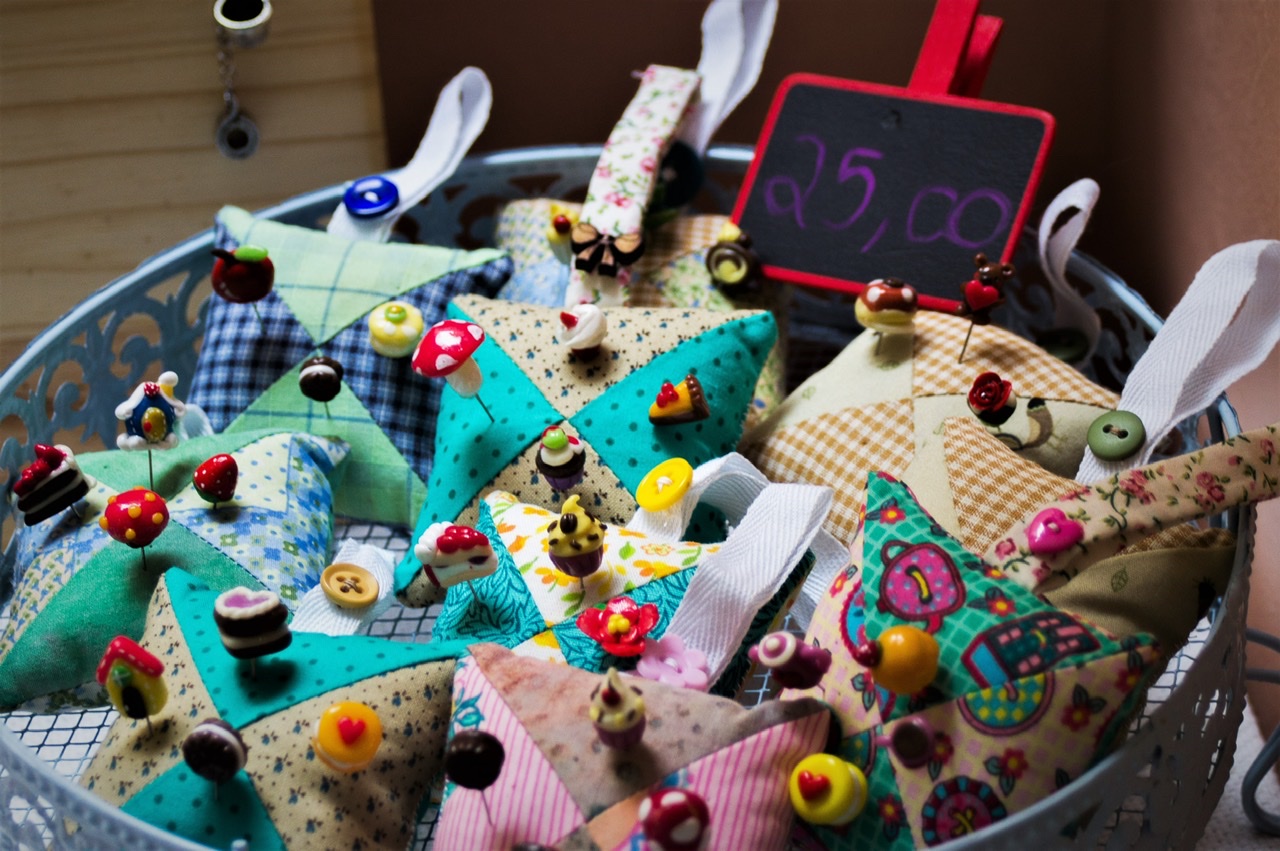
ARTS AND CRAFTS
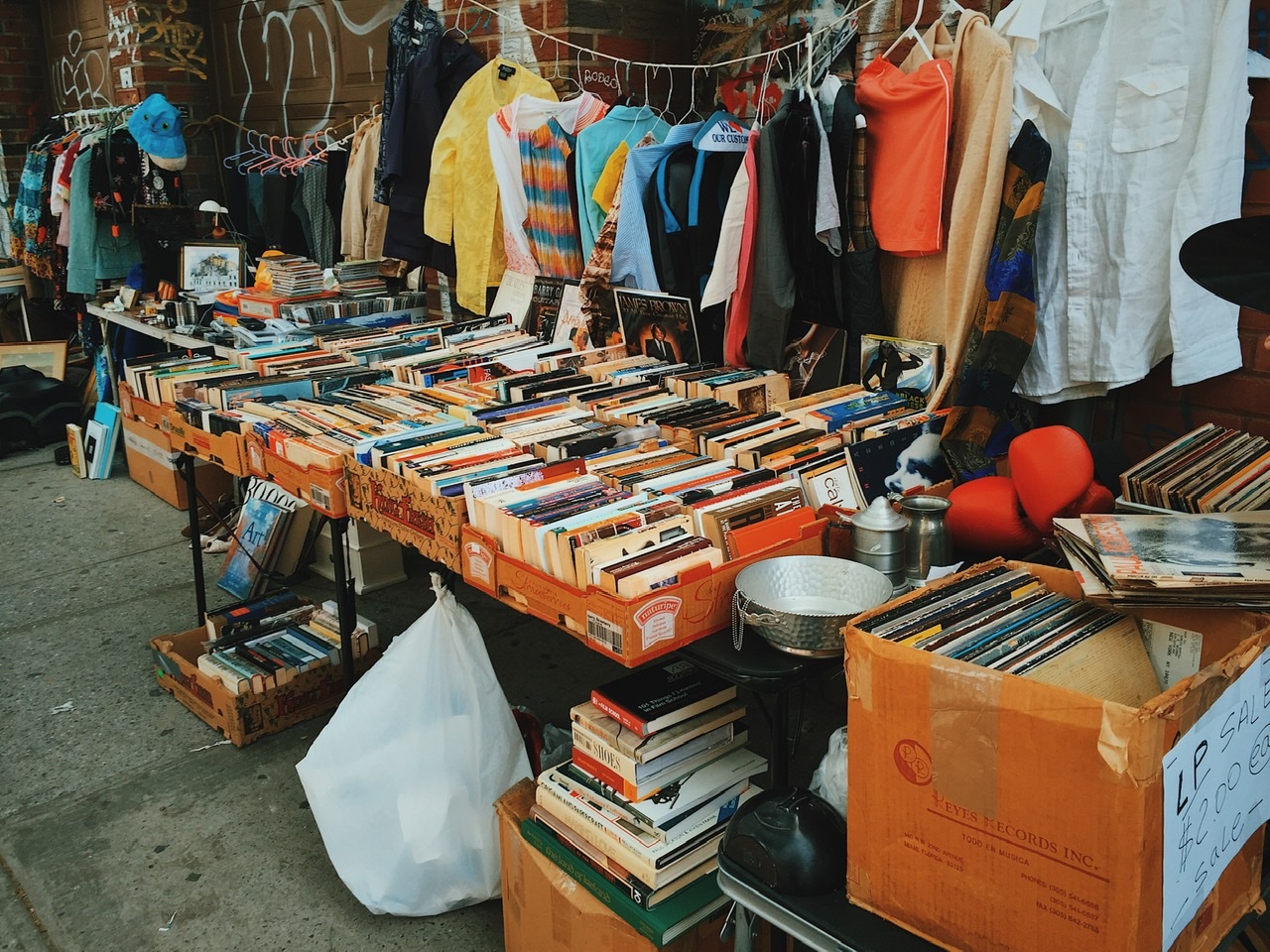
BOOKS
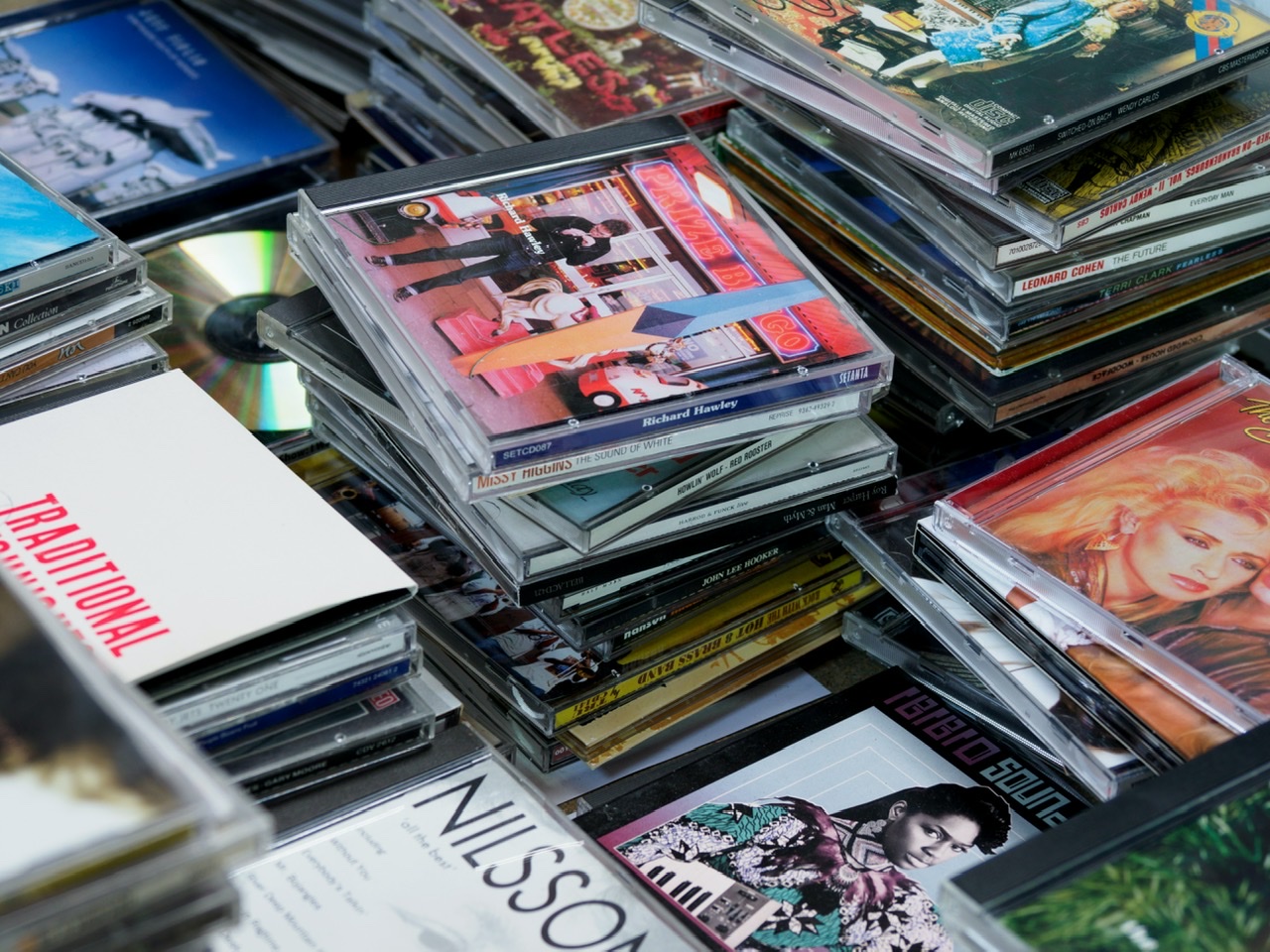
ALBUMS, CDS, DVDS
CDS, ALBUMS, DVDS
The Irish Emergency Alliance founded by 7 Irish Charities are founders including the charity Self Help Africa are on the border of Slovakia and Ukraine.
Ronan Scully reporting from the border between Ukraine and Slovakia, says his “heart and soul are broken” at what he is seeing.
The Irish Emergency Alliance founded by 7 Irish Charities are founders including the charity Self Help Africa are on the border of Slovakia and Ukraine.
Ronan Scully reporting from the border between Ukraine and Slovakia, says his “heart and soul are broken” at what he is seeing.
The wheels of trolley suitcases make a clack clack clack sound as they roll across the uneven pavements. The sound has become a soundtrack to the picturesque mountain village of Vysne Nemeche on Slovakia’s far eastern border.
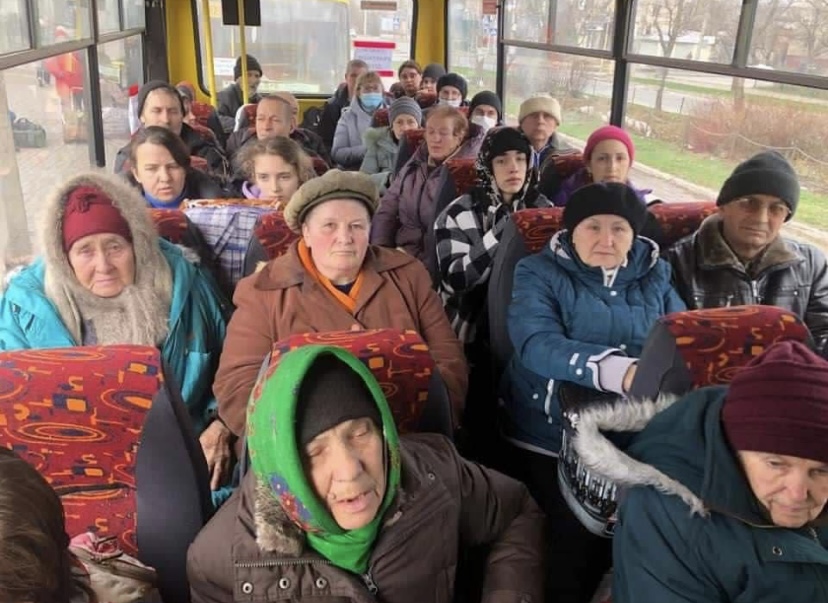
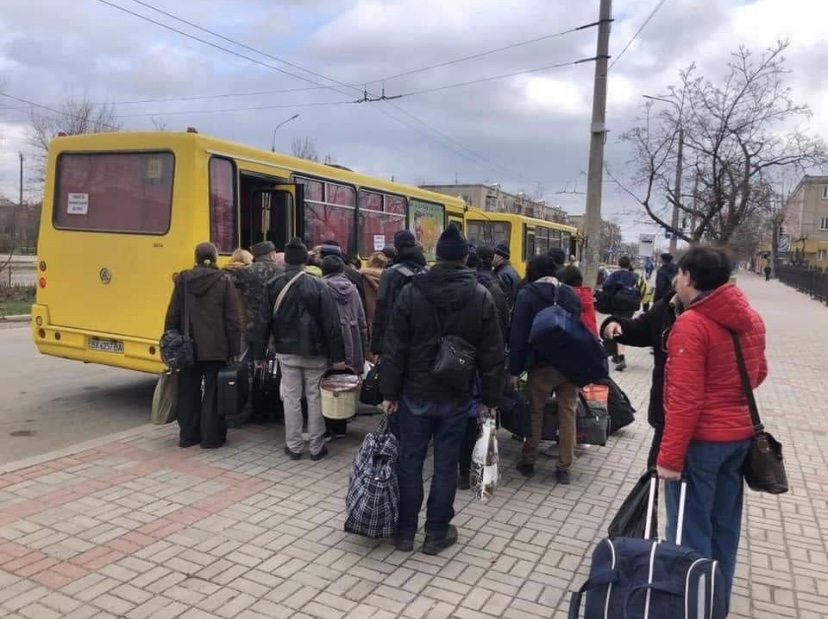
The daily procession of refugees coming here from Ukraine is relentless. 10,000 are crossing each day – mothers, grandmothers and children mostly – taking flight from the escalating conflict, and seeking sanctuary in this easternmost outpost of the European Union.
The exodus from Ukraine to bordering countries happens in cars, buses, trucks and on foot. It’s a journey that over 3 million Ukrainian’s have taken since war began.
The women and children that I saw were arriving exhausted, emotionally drained, and had that look of bewilderment at the strange and awful turn that life had taken.
Tatiana, aged in her early 20’s drags her suitcase behind her, in her other arm she is carrying a cat that she has brought with her from her home in Ternopil.
People often wait up to two days at the border, with outside temperatures dropping well below zero at night sometimes as low as minus -10.
Situated high in the Carpathian mountains in eastern Slovakia, Vysne Nemeche is the main crossing along the 60 mile border that separates Slovakia from neighbouring Ukraine.
Local charities and government services, disburse information, provide blankets, bottles of water, soup and bread to the new arrivals. There are also a number of Covid-19 medical centres, dispensing PCR tests.
Families in despair need our help right now.
Over two million people abandoned their homes after Russia invaded Ukraine and fled to the borders of Poland, Slovakia, Hungary, Moldova and Romania.
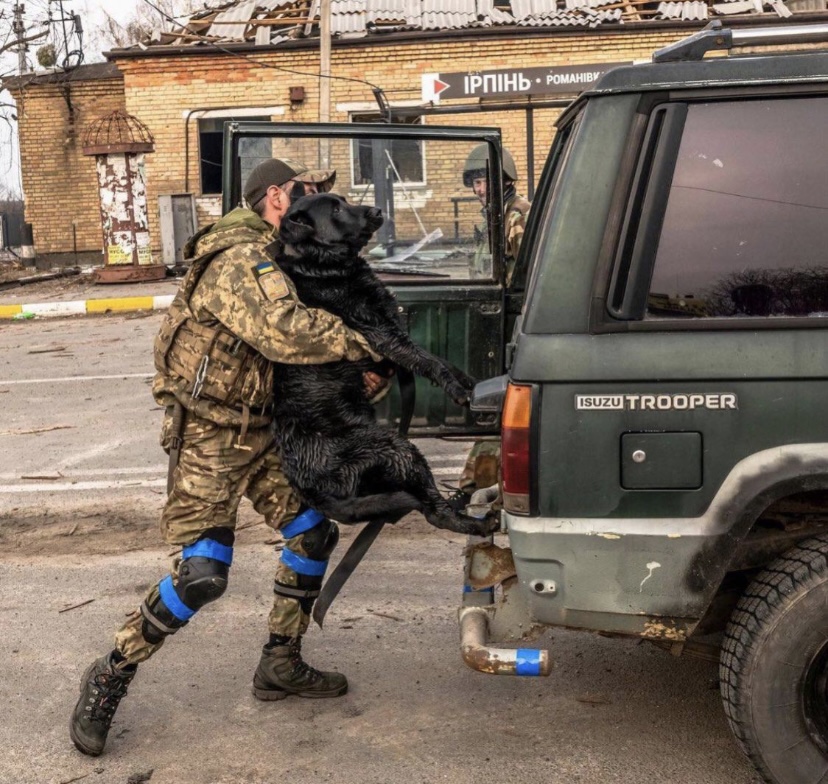
The Irish Emergency Alliance have spent days bringing aid into Ukraine to hospitals some 270km within Ukraine in a pace called Ivano Franksivk region and city.
Applications Opened for the Circular Economy Innovation Grant Scheme
EPA publish new Circular Economy Programme as successor to the National Waste Prevention Programme
The government has published a draft national strategy on how Ireland can transition to a Circular Economy and is inviting businesses, communities and citizens to contribute their views through public consultation.
Minister for the Environment, Climate and Communications, Eamon Ryan TD said:
The Circular Economy is built around ‘doing more with less’ or consuming fewer material resources to sustain our communities, homes and economy. The model builds on sharing, reusing and reinventing materials to meet our needs and replaces the current ‘take, make, dispose’ model. We are now developing a whole-of-Government strategy to ensure Ireland transitions to a Circular Economy and avails of the opportunities the circular economy can provide. These opportunities include reducing waste, shrinking our carbon footprint, supporting local and regional economic development, growing new business models and providing skilled employment opportunities.
The draft Strategy sets out what is a circular economy, why Ireland needs to achieve a circular economy and how national policy will develop to support that goal.
It has 5 key objectives:
To provide a national policy framework for Ireland’s transition to a circular economy;
To support and implement measures that significantly reduce Ireland’s circularity gap, in both absolute terms and in comparison with other EU Member States, so that Ireland’s rate is above the EU average by 2030;
To raise awareness amongst households, business and individuals about the circular economy and how it can improve their lives;
To support and promote increased investment in the circular economy in Ireland with a view to delivering sustainable, regionally balanced economic growth and employment; and
To identify and address the economic, regulatory, and social barriers to Ireland’s transition to a more circular economy.
The final strategy will provide an important policy signal across the system and the markets that Ireland is committed to a transition to circularity. The government had committed to producing this strategy under the Waste Action Plan for a Circular Economy.
Our transition to a circular economy will require a whole of society effort. To help communities make the transition to a circular economy, the government has launched a new Circular Economy Innovation Grant Scheme (CEIGS). This grant scheme aims to support innovation and circular economy projects by social enterprises, voluntary and community organisations and businesses with less than 50 employees. The total CEIGS is €250,000 for the 2021 call. The maximum year 1 grant available will be €50,000 – the indicative funding range for projects is €10,000 – €50,000.
Applications for funding could focus on the thematic areas which relate to priorities for the circular economy in Ireland: plastics, construction & demolition waste, food waste and resources & raw materials (electrical and electronic equipment, textiles, furniture). Some examples (for illustration purposes) of the type of proposals for funding that could be considered are:
Redesign of products or packaging to replace non-recyclable plastic with recyclable plastic or replace virgin plastic with recyclable plastic.
Redesign of products for ease of recycling at end-of-life.
Circular construction products (products that can be reused or with increased lifespan).
Selective/Green demolition to enable removal of hazardous materials and facilitate reuse and recycling.
Promoting innovative waste prevention solutions across the food production and food processing sectors.
Implementing technical and behavioural interventions to reduce food waste in commercial settings.
Reducing the content of hazardous substances in materials and products.
Increase recovery of listed critical raw materials.
In line with the measures proposed in the Waste Action Plan, today also sees the launch of a consultation on Ireland’s new Circular Economy Programme, led by the Environmental Protection Agency (EPA). This new programme builds on fifteen years of leadership by the EPA on waste prevention, including Ireland’s well-regarded food waste prevention campaign and the development of national guidance on priority topics such as Construction Waste Management and Green Public Procurement. Through its work in this area the EPA also supports Dublin’s Rediscovery Centre as the National Centre for the Circular Economy; and Circuleire – the National Circular Manufacturing Platform.
The new EPA Circular Economy Programme will be a driving force for Ireland’s move to a circular economy by businesses, householders and the public sector. It is founded on the waste hierarchy which identifies Prevention as the priority, to be followed by Re-Use; Repair; and Recycling. Activities within the programme will be focussed on the sectors that use the most resources and where the potential for circularity is high. Through the programme EPA will provide insights and data to support national circular economy policy and behavioural change campaigns. Early examples of this approach will be the development of target-driven roadmaps on Food Waste and Plastics to articulate sectoral actions required to achieve a national shift to circularity. The successful model of partnership working will also be continued and developed, with a new collaboration to grow Ireland’s reuse & repair culture.
The programme objectives are to:
Provide leadership to improve coherence on the development and regulation of the circular economy in Ireland.
Maintain a competitive programme of supports to drive the circular economy through providing innovation grants and seed-funding to nationally-relevant initiatives.
Implement actions that build knowledge and an evidence base to inform circular economy development in Ireland, and to report on progress towards circularity.
Realise the enterprise opportunity by supporting new business models; promoting resource efficiency; and retaining material value through enhanced use of secondary/recycled materials.
The public consultation on the Programme is open until 17:30, 11 June 2021.
Speaking at the launch of the programme today, Laura Burke, Director of the EPA said:
The EPA Circular Economy Programme supports government strategy and will translate national circular ambitions into the daily activities of workplaces and homes across Ireland. Creating a resource-efficient economy and resilient society requires rapid and far-reaching transformation across all sectors. This new programme will work with business leaders, public-sector exemplars and the public to change our attitudes to consumption and to develop new opportunities that meet consumer needs while reducing waste and carbon emissions. We look forward to hearing from our stakeholders with their views on the programme’s objectives and priorities.






Recent Comments